



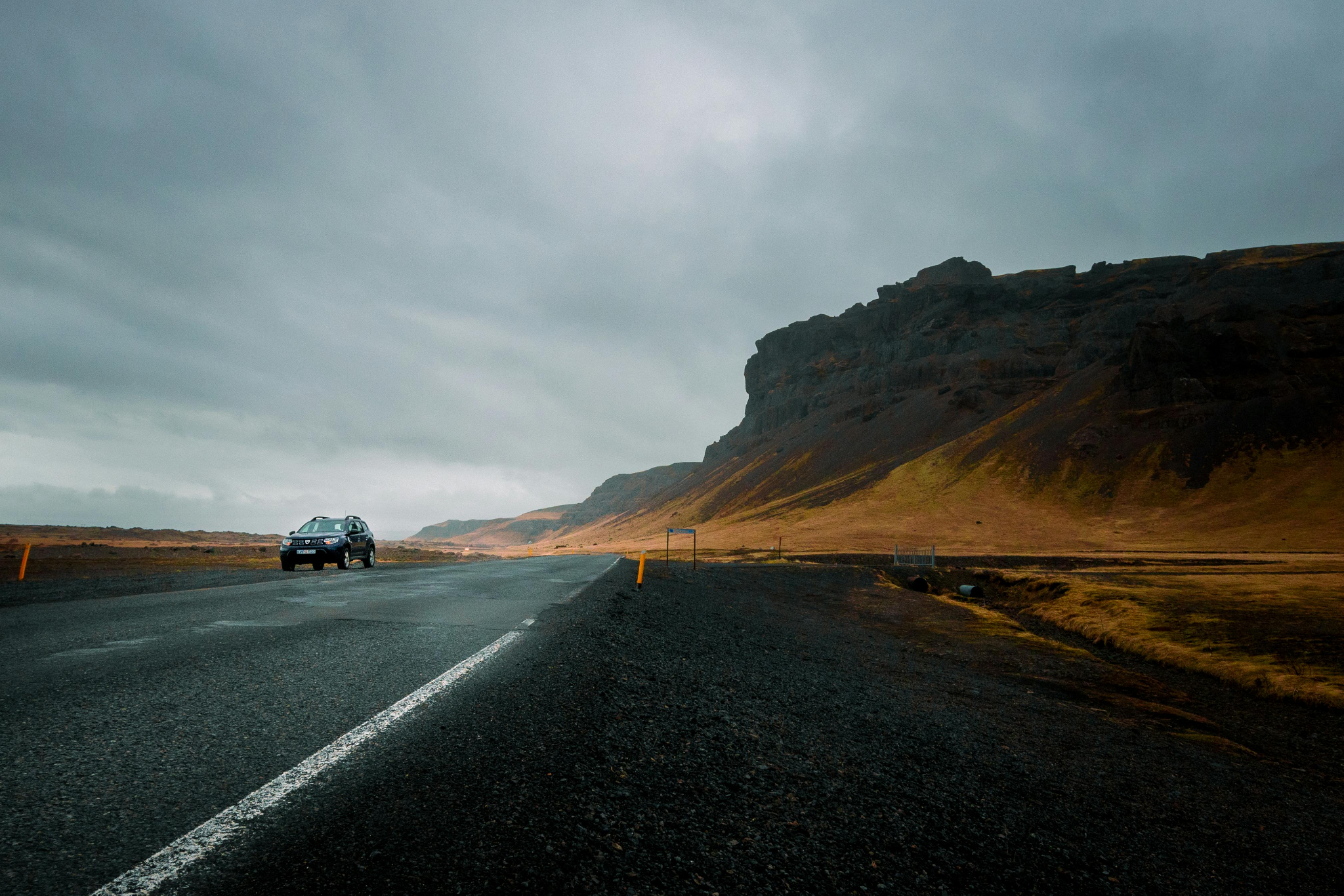
Eswatini, a country renowned for its dramatic landscapes and stunning mountain ranges, offers some of the most scenic drives in Southern Africa. However, the very beauty that draws visitors also presents unique challenges for drivers. The winding, steep, and often unpaved mountain roads require extra caution and a well-prepared vehicle. Ensuring your safety when driving in Eswatini's mountainous regions is paramount.
The roads can change quickly from smooth tar to rough gravel, and visibility can be compromised by sudden fog or heavy rain. Being prepared is the key to a stress-free and safe journey.
Your Essential Mountain Driving Checklist
-
Check Your Vehicle's Condition: Before setting off, a thorough vehicle inspection is non-negotiable. Check your tires for proper pressure and tread depth. Brakes are critical on steep descents, so ensure they are in perfect working order. Top up all fluids, including engine oil, coolant, and brake fluid.
-
Master the Art of Engine Braking: When descending a steep mountain pass, avoid riding your brakes. Instead, shift into a lower gear. This technique, known as engine braking, uses the engine's resistance to slow the vehicle down, preventing your brakes from overheating and failing. This is one of the most vital skills for driving in Eswatini's high-altitude areas.
-
Stay in the Correct Lane: Mountain roads often have blind corners and are narrow. Always stick to your side of the road, especially on curves, to avoid collisions with oncoming vehicles. Never attempt to overtake on a blind curve.
-
Be Wary of Road Hazards: Eswatini’s rural and mountain roads can have unexpected hazards, including pedestrians, cyclists, and livestock wandering onto the road. Drive at a moderate speed and be prepared to stop suddenly. Night driving should be avoided, as these hazards become nearly invisible in the dark.
-
Anticipate Weather Changes: The weather in the mountains can be unpredictable. Be prepared for sudden fog, rain, or storms. Reduce your speed in poor visibility and turn on your headlights. If conditions become too dangerous, pull over in a safe, designated spot until the weather clears.
-
Carry an Emergency Kit: A well-stocked emergency kit is a must for driving in Eswatini. It should include a first-aid kit, a flashlight, a tow rope, jumper cables, and a basic toolkit. Having a fully charged mobile phone and a satellite phone for more remote areas is a good idea. For additional resources on vehicle safety and travel in Africa, you can check out portals like those at AfriCarGroup.
-
Adjust Your Speed to the Conditions: The posted speed limit is a guideline, not a target. On winding, uneven, or wet roads, drive slower than the limit to maintain full control of your vehicle. A cautious approach ensures you can react to any unforeseen circumstances.
By following these safety tips, you can enjoy the stunning scenery and rewarding experience that comes with driving in Eswatini's breathtaking highlands.
What are your top safety tips for mountain driving? Share your experiences and advice in the comments below!


