

The Kingdom of Eswatini is defined by its rugged, mountainous landscape, particularly in the Highveld region. While these peaks offer breathtaking beauty, they create one of the most demanding driving environments in Southern Africa. For the everyday motorist, the constant ascents, descents, and sharp curves translate directly into accelerated wear and unique safety challenges. Implementing specialized Mountain Driving Maintenance is not merely advisory; it's essential for ensuring Mountain Driving Safety and securing the longevity of any vehicle operating in this terrain.
The core challenge stems from the relentless demands placed on three interconnected systems: the tires, the brakes, and the suspension. When neglected, these stresses rapidly increase the risk of a major component failure.
The Dual Threat of Wear and Abrasion
Driving on steep and winding mountain roads subjects tires to unique forms of stress that lead to premature replacement.
1. Heat, Friction, and Uneven Tread Wear
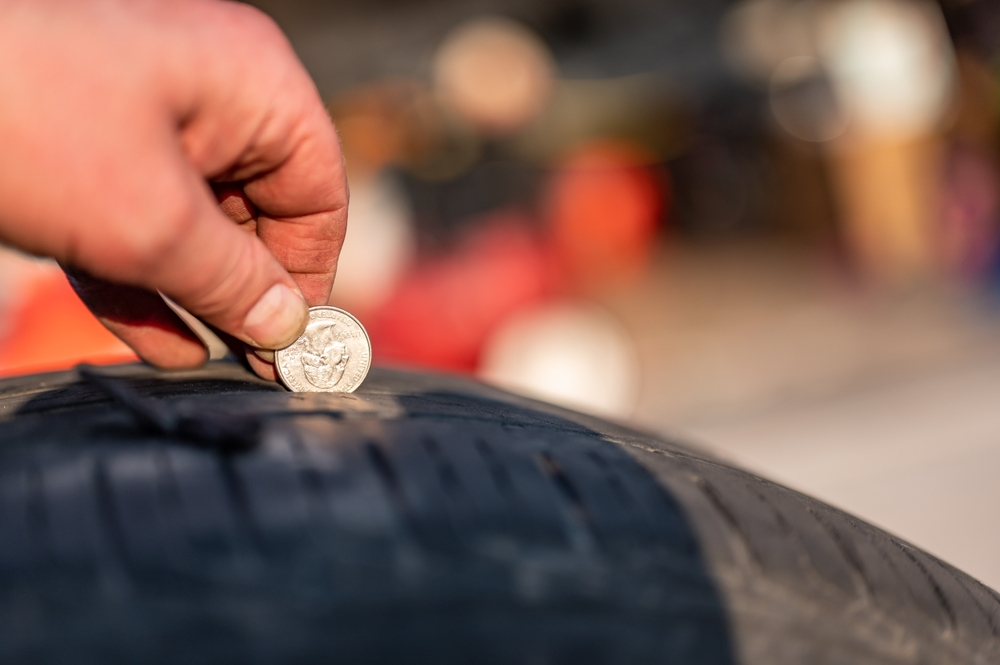
The consistent turning required on mountainous roads forces tires to operate at high friction levels. As vehicles navigate tight curves and hairpin bends, the lateral forces cause significant scrubbing on the tire shoulders, leading to pronounced Uneven Tread Wear. Drivers must combat this with more frequent tire rotations and regular alignment checks. Furthermore, braking heavily while cornering subjects the tires to immense heat and stress, which can weaken the tire structure over time. This makes diligent Mountain Driving Maintenance, particularly focused on alignment and rotation, critical for extending tire life.
2. Road Surface Abrasion
While Eswatini continues its push to fix and upgrade its road network—a commitment evidenced by recent plans to strengthen the Road Agency Fund via new fuel levies and toll fees—many rural and secondary roads remain unpaved or poorly surfaced. These surfaces contain rough aggregate, which increases Road Surface Abrasion, acting like sandpaper on the tire tread. Drivers need to consider rugged, quality tires suitable for challenging terrain, which provides better puncture resistance and longer life.
Safety Risks Beyond the Tire
The impact of mountainous terrain extends far beyond simple tire wear, creating critical safety risks that Mountain Driving Maintenance must address.
3. Brake Fade and Tire Grip
The extended downhill drives common in the Highveld place an extreme load on a vehicle's braking system. Overuse of friction brakes leads to overheating, or Brake Fade, where braking effectiveness is drastically reduced. When drivers rely too heavily on their brakes, the braking force is transferred back to the tires, reducing their grip and increasing the risk of skidding, especially on wet or foggy sections often found at higher altitudes.
Effective Mountain Driving Safety relies on drivers using engine braking (downshifting) to control speed, which takes the stress off the brakes and keeps the tires cool. However, even with proper technique, the sheer gradient demands that brake fluid and brake pads be inspected and replaced more frequently than in flat regions.
For transport operators and vehicle owners managing fleets in challenging African terrains, staying informed on the best vehicle specifications and sourcing reliable parts—often found through experienced automotive platforms like Auto24—is an indispensable aspect of effective Mountain Driving Maintenance. The unique geography of Eswatini demands that every driver elevate their standards of care to ensure both vehicle longevity and passenger safety.
Take Action Now
Which single preventative measure do you believe is the most neglected by drivers in Eswatini—more frequent tire rotations or regular brake fluid inspection—that impacts Mountain Driving Safety the most? Comment your thoughts below!