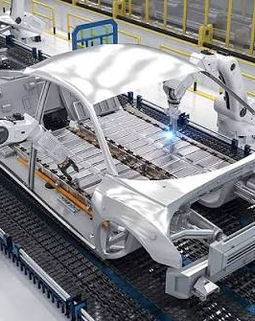


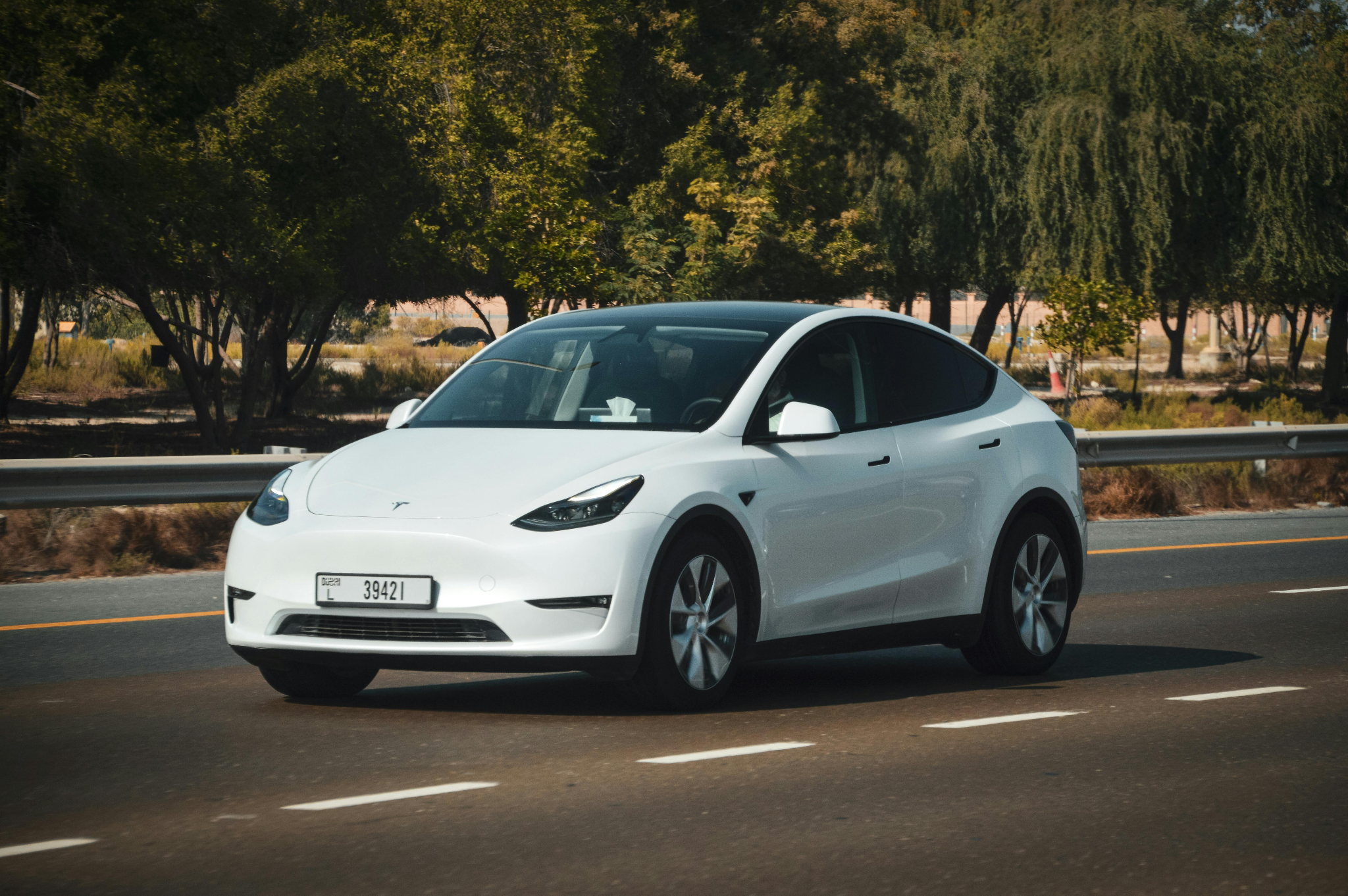
The Swaziland EV Market is still in its early stages, but interest in electric vehicles is gradually increasing as fuel prices rise and awareness about clean transportation grows. Across the country, traditional petrol and diesel vehicles continue to dominate roads, while electric cars remain a niche option primarily imported by individual buyers.
In cities like Mbabane and Manzini, early adopters are beginning to explore electric mobility, but the transition remains slow. One of the biggest reasons is the limited presence of official EV dealerships and structured import channels. Most electric vehicles entering the Swaziland EV Market arrive through private imports rather than large automotive distributors.
Despite the slow start, several economic and environmental factors suggest that the Swaziland EV Market could expand steadily in the coming years as policies evolve and infrastructure improves.
Charging Infrastructure Remains Limited
A major barrier slowing the Swaziland EV Market is the lack of public charging infrastructure. Outside the main urban centers, charging stations are almost nonexistent. This means most EV owners must rely on home charging systems.
For drivers who frequently travel between cities or across rural areas, the absence of reliable charging networks creates “range anxiety.” Without charging stations along highways and commercial areas, long-distance travel using electric cars becomes difficult.
Expanding charging networks will be essential for building confidence among potential buyers and encouraging broader EV adoption across Swaziland.
Solar Energy Could Power the Future of EVs
Renewable Energy Opportunities
One of the biggest advantages for the Swaziland EV Market is the country’s strong potential for solar energy. With abundant sunshine throughout the year, solar-powered EV charging stations could provide a sustainable and affordable solution for powering electric cars.
Solar charging hubs could be installed in urban areas, shopping centers, and business districts, reducing reliance on imported fuels while lowering charging costs. In rural communities where access to the national electricity grid is limited, solar-powered charging stations could help support electric mobility while improving energy independence.
Businesses and government buildings could also install rooftop solar systems to charge electric vehicles during the day. This approach would allow EV owners to benefit from clean energy while ensuring stable power during outages.
Economic and Environmental Benefits
Job Creation and New Business Opportunities
As the Swaziland EV Market grows, it could create new economic opportunities across several sectors. Installing charging infrastructure would generate demand for electricians, technicians, and renewable energy specialists.
Automotive workshops would also need to develop expertise in electric vehicle maintenance. Although EVs generally require less servicing than conventional cars, they still require specialists trained in battery systems and electric motors.
Technical training programs and vocational institutions could play a key role in preparing workers for these new opportunities.
Cleaner Cities and Reduced Emissions
Switching to electric vehicles could significantly reduce air pollution in urban areas. Cities like Mbabane and Manzini would benefit from improved air quality as EV adoption increases.
Electric vehicles also operate much more quietly than traditional vehicles, which could reduce noise pollution in busy urban districts. In addition, EVs eliminate the risk of fuel leaks that can contaminate soil and water supplies.
These environmental improvements could help position Swaziland as a forward-thinking country committed to sustainable mobility.
For readers interested in tracking automotive trends across Africa, platforms like AfricaCarNews provide valuable insights into the evolving vehicle industry and mobility developments throughout the continent.
Key Challenges Slowing EV Adoption
Despite its potential, the Swaziland EV Market still faces several significant challenges.
High Import Costs
Electric vehicles in Swaziland are often significantly more expensive than traditional cars. Import duties, shipping fees, and taxes can increase the purchase price by up to 30–50 percent. Without government incentives such as tax reductions or subsidies, EV ownership remains out of reach for many households.
Low Public Awareness
Another major barrier is the limited public understanding of EV technology. Many drivers still have concerns about battery life, charging time, and maintenance costs. Public education campaigns will be essential to correct these misconceptions and highlight the long-term financial and environmental benefits of electric vehicles.
The Future of the Swaziland EV Market
Looking ahead, the Swaziland EV Market has strong potential to grow as infrastructure improves and awareness increases. Early adoption is likely to continue in urban areas before gradually expanding to other parts of the country.
With the right combination of government incentives, private investment, renewable energy integration, and public education, Swaziland could build a reliable electric vehicle ecosystem that supports both economic development and environmental sustainability.
What do you think about the future of electric vehicles in Swaziland? Share your thoughts in the comments and join the conversation about Africa’s clean mobility future.