

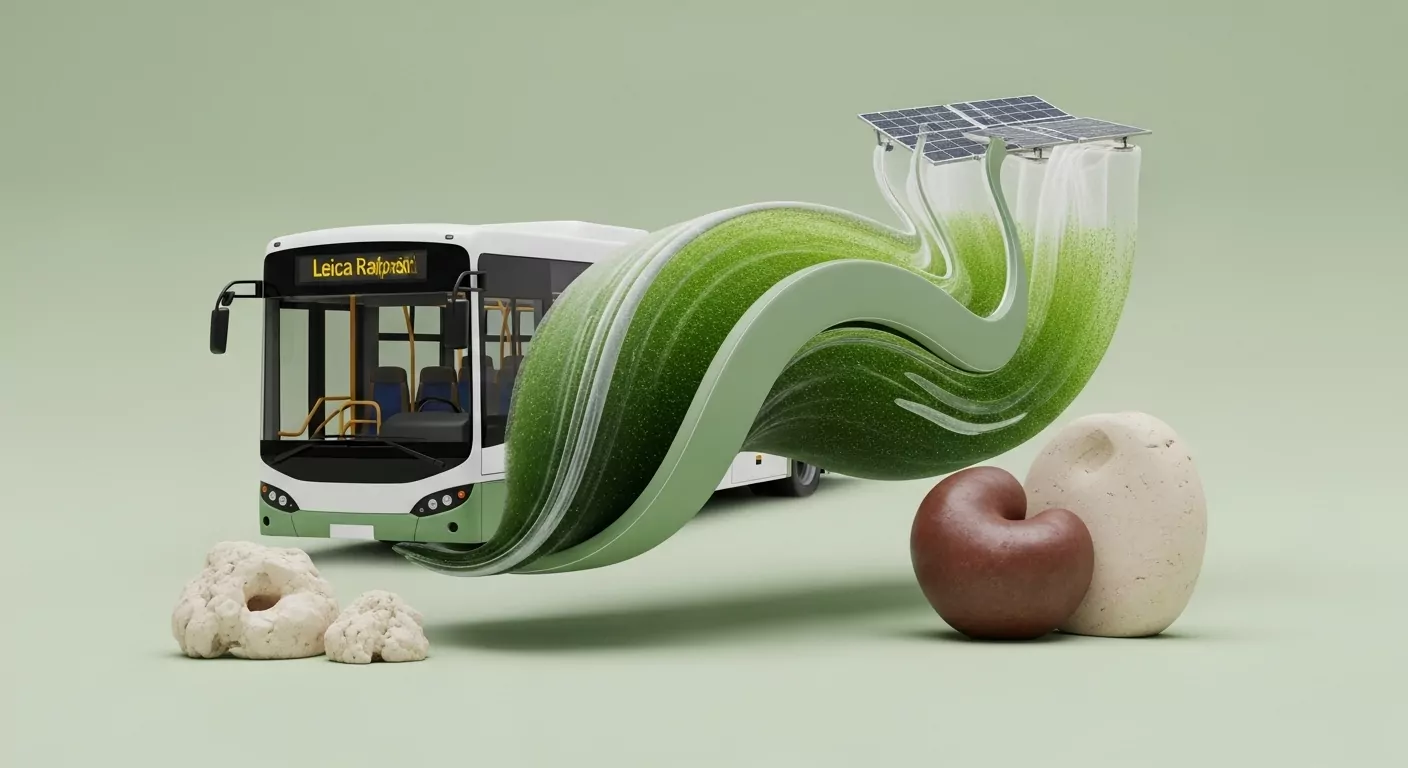
The Kingdom of Eswatini is actively exploring innovative solutions to achieve total energy independence and dramatically reduce its heavy reliance on imported electricity from neighboring South Africa. A significant part of this massive green transition heavily involves the nation's thriving agricultural sector, particularly the abundant Sugar Industry Waste. By effectively converting sugarcane bagasse and other organic agricultural residues into highly usable energy, the nation is proactively laying the vital groundwork for an ambitious new concept: Eswatini Biomass Transit. This highly localized approach to Carbon-Neutral Public Transport aims to completely transform the daily urban commute while simultaneously lowering the country's national greenhouse gas emissions.
Harnessing Sugar Industry Waste For Power
For decades, Eswatini’s robust and highly profitable sugar industry has produced massive amounts of a fibrous, organic byproduct known as bagasse. Traditionally, the major sugar mills have burned this Sugar Industry Waste to generate basic heat and electricity solely for their own internal manufacturing operations. However, recent advancements in Renewable Energy Generation technologies are allowing these facilities to aggressively scale up their power output. Today, these modernized agricultural plants can successfully feed massive amounts of surplus, clean electricity directly into the national grid.
Electrifying The Transport Sector
As the national electrical grid becomes increasingly powered by these localized, green energy sources, the structural foundation for Eswatini Biomass Transit grows significantly stronger. By aggressively deploying fleets of modern electric buses that are exclusively charged via this newly greened, biomass-supported power grid, the nation can effectively run its busy public transit system directly on agricultural waste. This brilliant, closed-loop form of Eswatini Biomass Transit actively ensures that the carbon emitted by the heavy transit sector is completely offset by the carbon actively absorbed during the natural sugarcane growth cycle, successfully creating a truly sustainable, circular economy.
Exploring Bioethanol Fuel Alternatives
In addition to expanding the infrastructure for grid-charged electric buses, the nation's comprehensive push for Eswatini Biomass Transit also heavily involves the localized production of liquid biofuels. Eswatini has been actively assessing the large-scale production of Bioethanol Fuel derived directly from sugarcane molasses. Blending this clean-burning Bioethanol Fuel with conventional diesel, or utilizing it directly in specially modified combustion engine buses, provides an immediate, highly effective bridge toward a completely zero-emission transit future without requiring immediate, massive fleet replacements.
A Blueprint For African Sustainable Mobility
Implementing these advanced biofuel and clean electricity strategies requires significant national infrastructure upgrades and highly strategic government policies. However, the successful, ongoing rollout of Eswatini Biomass Transit could eventually serve as a incredibly powerful model for other developing neighboring nations. By utilizing their own domestic agricultural resources to power their transport economies, landlocked countries can confidently secure their long-term energy futures while heavily promoting the broader goals of African Sustainable Mobility.
For industry professionals, eco-conscious urban planners, and logistics operators wanting to continuously track the latest developments in continental green technology, shifting regional transport policies, and massive infrastructure investments, exploring the expert daily insights at AfriCarNews is highly recommended.
Ultimately, the aggressive, highly successful development of Eswatini Biomass Transit actively proves that forward-thinking engineering can successfully turn discarded agricultural waste into the primary driving force of tomorrow's public transportation networks.
Do you think powering city buses with sugar waste is the ultimate green solution for landlocked African nations? How else can developing countries use their agricultural byproducts to drastically improve their daily public infrastructure? Share your thoughts, questions, and green energy ideas in the comments below!